
Special Education Is More Than IEPs — And You’ve Made That Clear
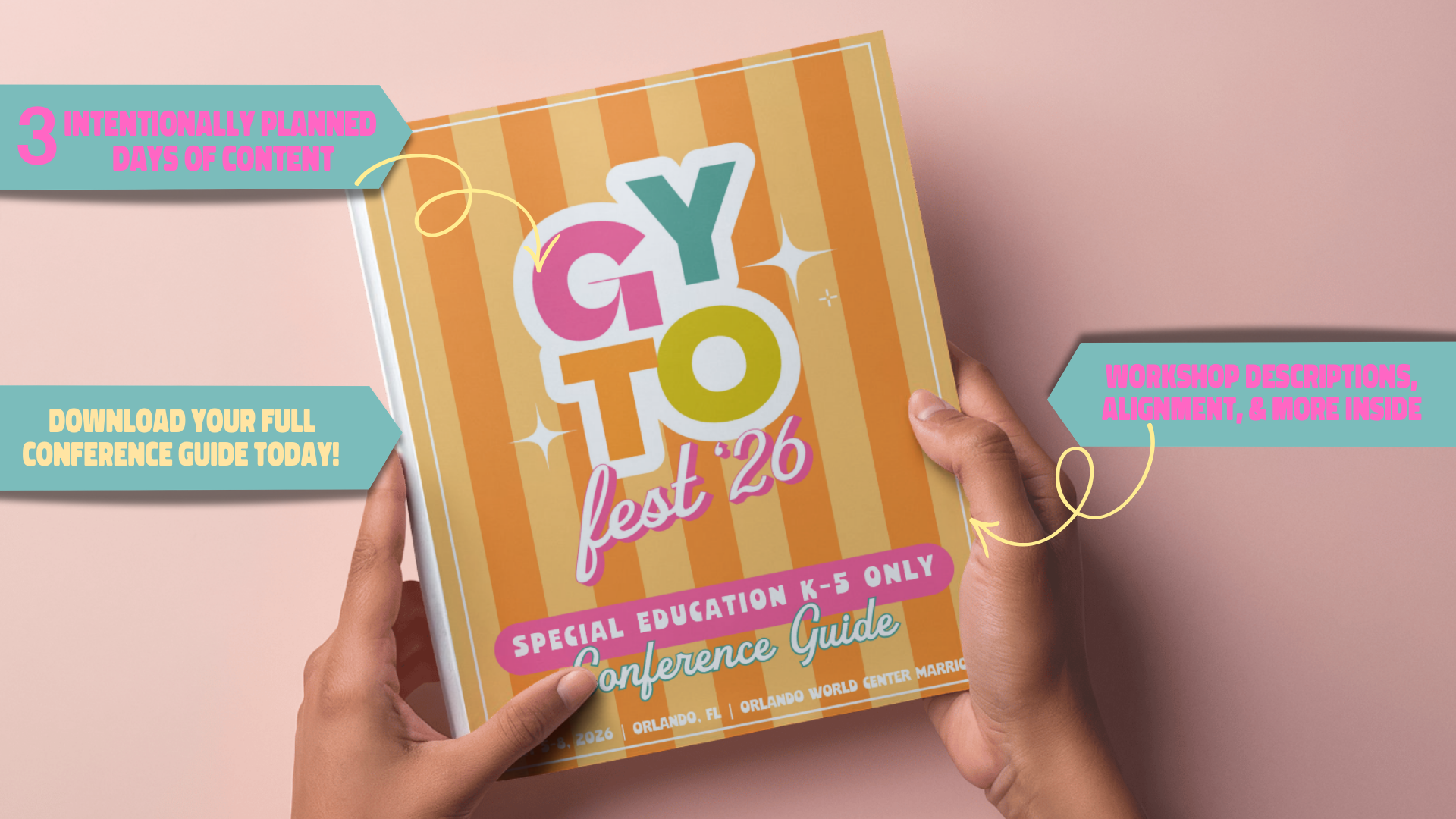
When we asked special education teachers what kind of support would actually move the needle, one theme showed up again and again.
Not compliance.
Not paperwork.
Not IEP writing.
Instruction.
Because while IEPs matter, they are not the heart of the work.
Teaching is.
The Work Is Layered
Special educators operate in layers.
Multiple grade levels.
Multiple content areas.
Multiple learning profiles.
Short instructional windows.
Constant collaboration.
You’re balancing service minutes, communication, documentation, and progress monitoring.
But at the center of it all is the same goal:
Helping students grow.
And growth happens through instruction.
That’s the part you want to sharpen.
Instruction Has to Be Intentional
When time is limited and needs are diverse, instruction cannot be loose.
It has to be clear.
Explicit modeling.
Targeted practice.
Strategic scaffolding.
Intentional feedback.
Students receiving special education services don’t need watered-down lessons.
They need clarity.
They need instruction that reduces cognitive overload and builds skill step by step.
That’s not about lowering expectations.
It’s about strengthening delivery.
Beyond Compliance
IEPs create structure.
They protect access.
But they are not what build mastery day to day.
Instruction does.
Special education teachers consistently ask:
How do I teach for transfer, not just task completion?
How do I break down complex skills without oversimplifying them?
How do I build independence in students who rely heavily on prompts?
How do I use small groups to accelerate growth instead of just support assignments?
Those are questions about craft.
Not compliance.
Why the Special Education Track Is Built This Way
This track was designed around instructional growth.
Not paperwork.
Not legal updates.
Instruction.
You will strengthen:
Explicit teaching practices that build skill efficiently.
Scaffolding that fades toward independence.
Small group structures that target true skill gaps.
Engagement strategies that support diverse learners.
Behavior systems that protect learning time.
You will see instruction modeled.
You will walk away with strategies you can use immediately.
Because special education is not defined by documentation.
It is defined by teaching.
Explore the full Special Education Conference Guide to see every workshop, every live model lesson, and the full experience.
The paperwork matters.
But instruction is what changes lives.
