
Simple Systems Series: The Classroom Waiting Room
The simple classroom system that protects your small groups and builds student independence:
"Can you help me?"
It's one of the most common phrases heard during independent work.
One student raises a hand.
Another walks over to your table.
A third stands beside you waiting.
Before you know it, your carefully planned small group has become a revolving door of interruptions.
Here's the thing...
Most teachers don't have a classroom management problem during small groups.
They have an interruption problem.
Every interruption pulls your attention away from the students sitting in front of you. Every interruption slows the pace of instruction. And every interruption teaches students that the quickest way to get help is to stop working until the teacher is available.
There is a better way.
One of the simplest systems we’ve incorporated into our GYTO Classroom is The Classroom Waiting Room.
Why Every Classroom Needs a Waiting Room
Think about the last time you visited a doctor's office.
Everyone doesn't crowd around the receptionist asking, "Am I next?"
They check in, receive a number, wait their turn, and continue doing what they can until they're called.
Your classroom can work the same way.
Instead of students surrounding your small group table or repeatedly asking for help, they quietly place themselves into a simple, predictable system.
No frustration.
No arguing over who asked first.
No interruptions every thirty seconds.
Just a clear process that every student understands.
What Is the Classroom Waiting Room?
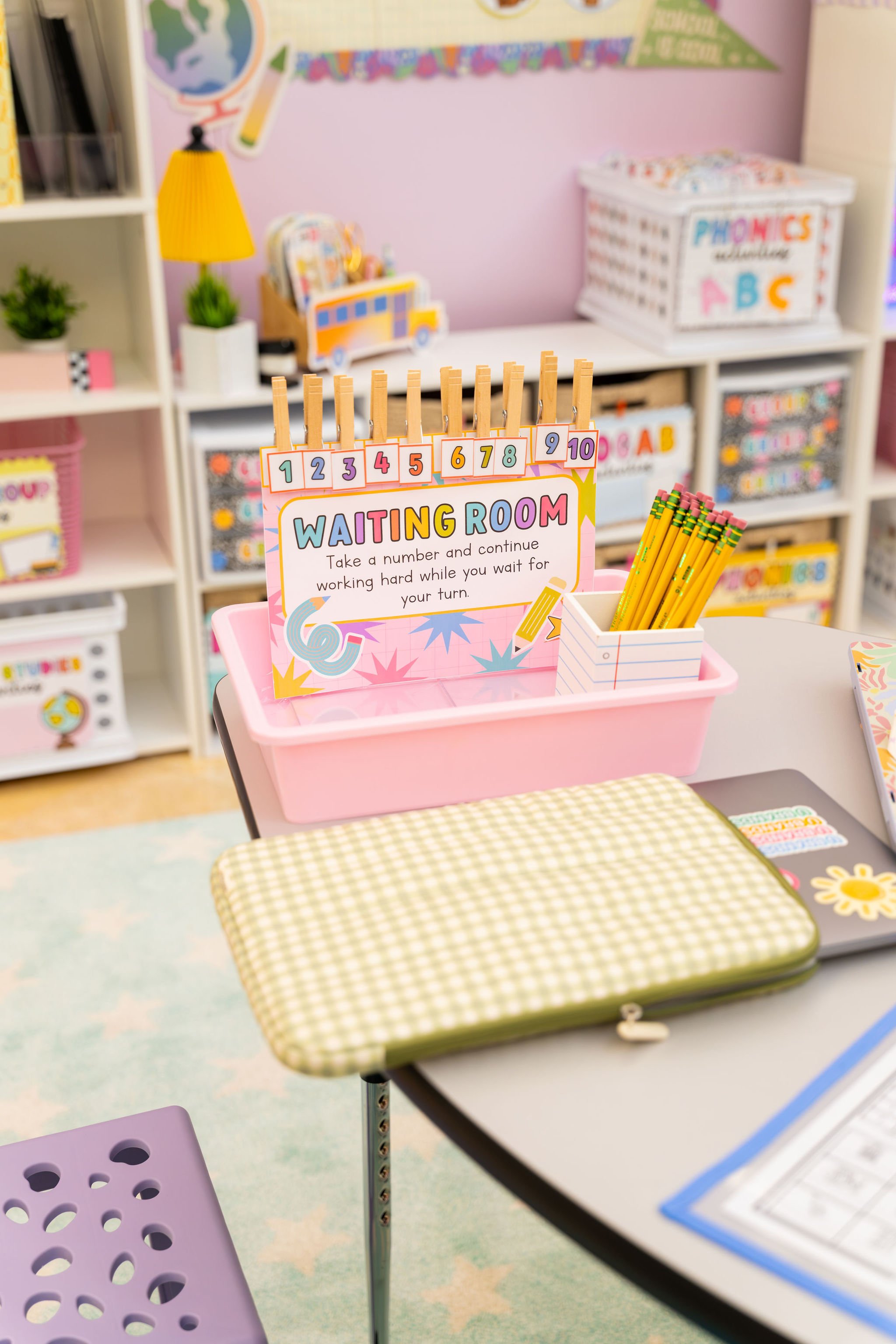
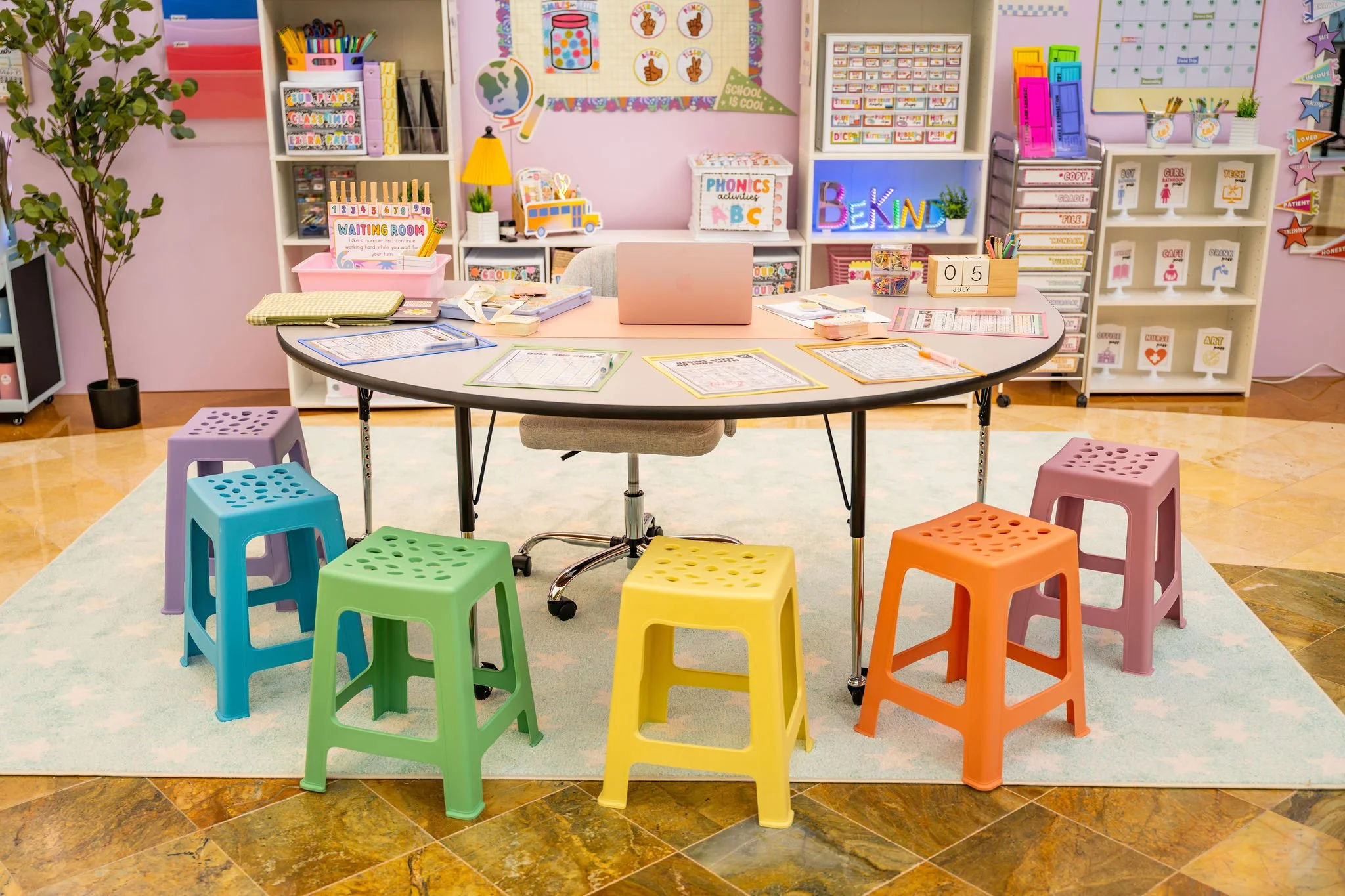
The Classroom Waiting Room is exactly what it sounds like.
When a student needs teacher support, they:
Quietly grab the next numbered clip.
Clip it to their paper, folder, or designated spot.
Return to their seat.
Continue working independently.
Wait until their number is called.
When you're ready to meet with another student, simply call:
"Number 4."
That student joins you.
No hands waving across the room.
No students hovering beside your table.
No guessing who asked first.
The system does the organizing for you.
The Real Goal Isn't Waiting
This is where I think many teachers misunderstand the purpose of this system.
The goal isn't teaching students to wait.
The goal is teaching students what to do while they wait.
When students know there is a fair process for receiving help, something powerful happens.
Instead of immediately depending on the teacher, they begin to:
reread directions
use classroom resources
ask a partner
check an anchor chart
revisit examples
try another strategy
solve the problem on their own
And here's the best part...
Many students figure it out before you ever call their number.
That's exactly what we want.
Independence.
Why This System Works
Simple systems work because they remove uncertainty.
The Waiting Room gives students a clear answer to three important questions:
How do I ask for help?
Take a number.
Will my teacher forget about me?
No. Every number gets called in order.
What should I do until then?
Keep learning.
That predictability reduces anxiety while increasing student ownership.
Instead of relying on the teacher to manage every interaction, the system manages the interaction for you.
How to Teach the Waiting Room
Like every classroom routine, this system isn't introduced.
It's taught.
If you simply hang up the clips and hope students understand, you'll end up right back where you started.
Instead, spend time explicitly teaching the process before you ever need it.
Step 1: Model the Routine
Pretend you're a student who needs help.
Think aloud.
"I've tried my best, but I still need help. Instead of interrupting my teacher, I'm going to grab the next number."
Walk through every step.
Take the clip.
Attach it.
Return to your seat.
Continue working.
Model what success looks like.
Step 2: Practice Without Content
Before using it during reading or math, practice with something fun.
Have students pretend they're asking for help tying a shoe or solving a silly problem.
Remove the academic pressure so they can focus on learning the routine.
Practice several times.
Step 3: Teach What Waiting Looks Like
This is the step that often gets skipped.
Students need to know exactly what they're expected to do while waiting.
Create a short list of non-negotiables:
Continue working.
Use classroom resources.
Stay in your seat.
Don't ask for another number.
Don't remind the teacher that you're waiting.
Return your clip if you solve the problem before you're called.
The clearer the expectations, the smoother the routine becomes.
Celebrate Independence
One of my favorite moments is when I call a student's number and they respond:
"I figured it out!"
Celebrate it.
That's not a student who no longer needs help.
That's a student who learned to persevere.
Those moments deserve recognition because they're the reason we created the system in the first place.
Common Mistakes to Avoid
Even simple systems can lose their effectiveness if they're not implemented consistently.
Calling Students Out of Order
Students trust the system because it's fair.
Protect that trust by honoring the order every time whenever possible.
Allowing Students to Stop Working
The Waiting Room isn't a place to pause learning.
Students should continue thinking, trying, and problem-solving until they're called.
Skipping Practice
Don't wait until the first day of guided reading to introduce the system.
Teach it.
Practice it.
Revisit it.
Just like any other classroom expectation.
Becoming the First Option Instead of the Last
Before students grab a number, teach them to ask themselves:
Did I reread the directions?
Did I use my classroom resources?
Did I check an anchor chart?
Did I ask my partner?
The Waiting Room works best when it follows productive struggle, not replaces it.
Beyond Small Groups
Although this system is originally designed for small group time, it quickly became one of the most flexible systems in my classroom.
Use it during:
Reading conferences
Writing conferences
Math small groups
Intervention time
STEM challenges
Independent work
Centers
Project-based learning
Any time students may need teacher support
Any situation where students need help without interrupting instruction can benefit from a Waiting Room.
Grab the Resources
Want to implement this tomorrow? Thanks to one of our library creators, Bianca, you can!
Inside the GYTO Library, you'll find everything you need to introduce and teach The Classroom Waiting Room with confidence, including:
Printable numbered waiting room clips
Classroom display sign
Because the best classroom systems aren't complicated.
They're simple, intentional, and taught well.
One Final Thought
The most effective classrooms don't eliminate student questions.
They create systems that allow students to get the help they need without sacrificing instruction for everyone else.
Every interruption you eliminate gives you more time to teach.
Every routine you build creates more independence.
And every simple system you teach once pays you back every single day for the rest of the school year.
Sometimes, the smallest classroom systems make the biggest difference.
