
K–2 Science of Reading | Evidence Based Decoding Instruction That Closes Gaps
If Students Can’t Decode, They Can’t Comprehend And Why Early Reading Gaps Start With Cognitive Overload
Across the country, schools are working tirelessly to improve reading scores.
New curriculum.
New mandates.
New comprehension strategies.
And yet in too many K–2 classrooms, students are being asked to analyze text they cannot yet read independently.
Here is the hard truth:
If students cannot decode automatically, they cannot truly comprehend.
We cannot comprehension-strategy our way out of weak foundational skills.
What This Looks Like in a Real Classroom
Imagine a first-grade student is asked to read this sentence independently:
“The rabbit hopped quickly across the garden.”
Now let’s pause.
For a proficient reader, that sentence feels simple.
But for a beginning reader, here is what must already be solid:
• Short vowel decoding
• Double consonants
• Blends (gr, cr)
• Digraphs
• Inflected endings (–ed)
• Two-syllable decoding (rab-bit)
• Automatic recognition of high-frequency words
• Vocabulary knowledge of “quickly” and “garden”
If even two of those skills are shaky, here is what happens:
The student sounds out rab…bit… hop…ped… qui…ck…ly…
They stop.
They hesitate.
They reread.
All of their mental energy is going toward figuring out what the words say.
There is no cognitive space left to think about what the sentence means.
That is cognitive overload.
And when we then ask, “What was the rabbit doing?”
The student appears confused.
Not because they lack comprehension strategy.
Because they are exhausted from decoding.
The Big Shift K–2 Must Make
The science of reading is clear:
In the early grades, automatic word recognition is the gateway to comprehension.
When decoding becomes accurate and automatic, working memory is freed.
That mental space can now be used for:
• Making meaning
• Connecting ideas
• Asking questions
• Building knowledge
This is why early literacy instruction must prioritize:
• Phonemic awareness
• Systematic, explicit phonics
• Cumulative skill progression
• Fluency development
Comprehension absolutely matters.
But in K–2, comprehension is most powerfully developed through:
Rich, interactive read alouds.
Why?
Because listening comprehension outpaces reading comprehension in young learners.
When teachers read complex text aloud, students can think deeply without being limited by decoding skill.
That is how we build vocabulary, knowledge, and reasoning while protecting cognitive load.
You Have to Go Back to Go Forward
One of the hardest conversations in education is this:
If students are struggling to comprehend independently, the solution may be to go back.
Back to phoneme segmentation.
Back to blending.
Back to automaticity.
Back to foundational gaps.
Even if they are in second grade.
Even if they “should” be further.
Because comprehension cannot grow on a shaky decoding foundation.
Going back is not lowering expectations.
It is protecting the brain’s capacity to learn.
That Is Why We Built the K–2 Science of Reading Track
This track is centered around one measurable goal:
Ensure every child becomes a confident, automatic decoder.
You will strengthen your understanding of:
• How to teach phonemic awareness explicitly
• How to deliver systematic phonics with fidelity
• How to monitor mastery and respond to data
• How to reduce cognitive overload in beginning readers
• How to build comprehension through intentional read alouds
This is not about adding more strategies.
It is about aligning instruction with how the brain actually learns to read.
The Question Worth Asking
If students are struggling to answer comprehension questions independently…
Is it because they do not understand the strategy?
Or because they are still working too hard to read the words?
In K–2, decoding must come first.
Because students cannot focus on meaning
if their brain is still fighting through the letters.
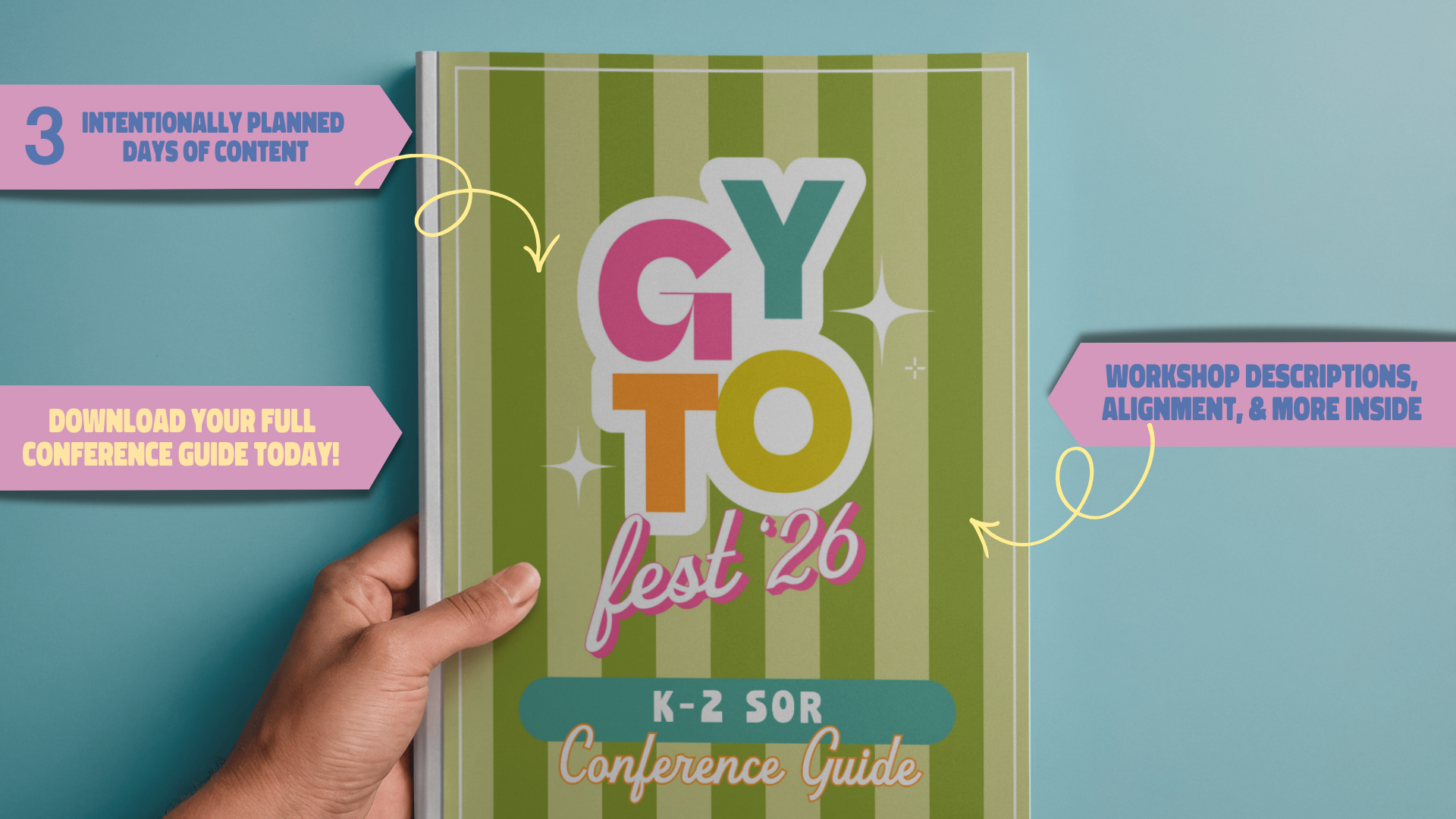
If you are ready to close reading gaps with measurable, research-backed practices, explore the full K–2 Science of Reading Conference Guide.
Because if students cannot decode automatically,
they cannot comprehend deeply.
And that is a shift we cannot afford to ignore.
