
Action Creates Change
If You Want a Different View, You Have to Move: Actionable Motivation for Educators
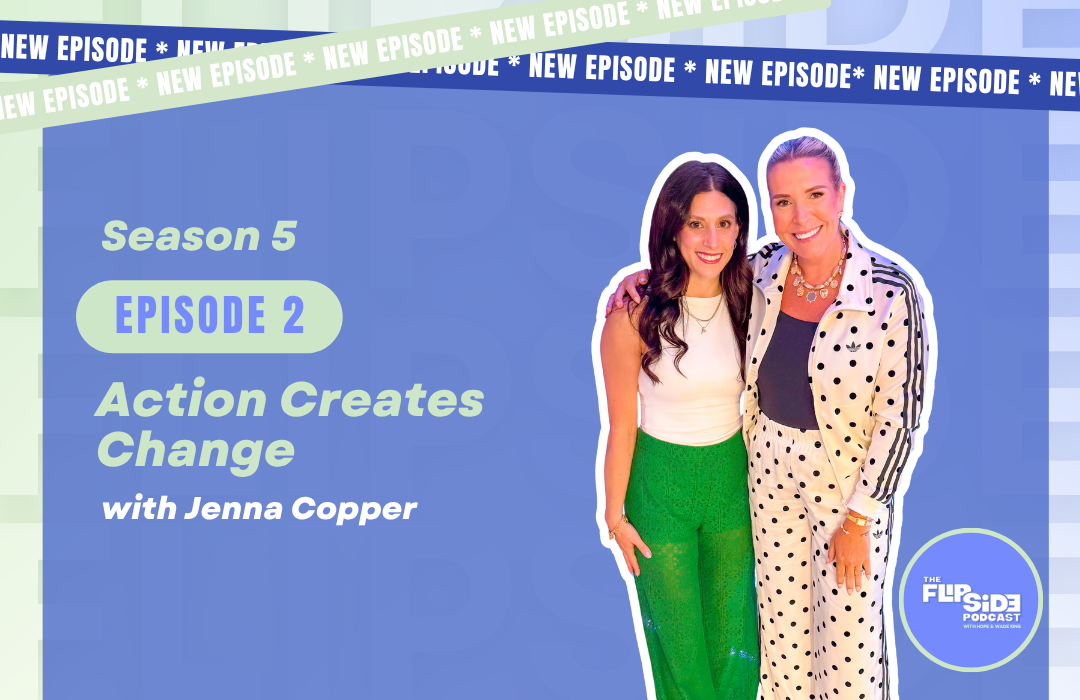
Welcome to another deep dive from The Flip Side podcast! This week’s episode features Dr. Jenna Copper, a dynamic educator, instructional coach, and university professor specializing in literacy and the science of reading. The conversation centers on a powerful theme: If you want a different view, you have to move. This metaphor isn’t just about physical movement—it’s about taking action, embracing change, and finding motivation even when the path ahead seems blocked.
Whether you’re a new teacher, a seasoned educator, or a leader supporting others, this post will break down the episode’s key insights and provide actionable strategies to help you get “unstuck,” experiment with new approaches, and transform obstacles into opportunities for growth.
The Power of Movement: Why Action Changes Everything
Dr. Jenna Copper’s central message is clear: Change doesn’t happen by standing still. In education, it’s easy to feel stuck—by routines, by challenges, or by the fear of making mistakes. But as Dr. Copper shares through her “tree in the road” metaphor, what looks like a roadblock is often just a curve in the journey. The only way to see what’s around the bend is to keep moving.
“If you want a different view, you have to move.”
— Dr. Jenna Copper
This isn’t just motivational fluff. Research and experience show that action—no matter how small—creates momentum, shifts perspective, and leads to real growth.
Tip 1: Reframe Obstacles as Opportunities
The Metaphor: The Tree in the Road
Dr. Copper recalls a childhood memory: a tree that appeared to block the road, but as you approached, you realized the road curved around it. This is a powerful metaphor for teaching and life.
Actionable Advice:
Recognize Visual Illusions:** Sometimes, what seems like an insurmountable problem is just a matter of perspective. Get closer, investigate, and you may find a way around.
Don’t Let Fear Paralyze You:** Uncertainty is normal. The key is to move forward anyway, knowing that the “obstacle” may not be as daunting as it appears.
Celebrate the Journey:** Once you navigate around the obstacle, you’ll often find a better view—a new insight, a stronger relationship, or a creative solution.
Expert Insight:
Obstacles are not stop signs; they’re detours that can lead to unexpected growth. When you encounter a challenge, ask yourself: What can I learn from this? How can I use it to improve my practice?
Tip 2: Move Beyond Planning—Take Action
Motion vs. Action
Dr. Copper references James Clear’s concept from Atomic Habits: Being in motion is not the same as taking action. Planning, brainstorming, and strategizing are important, but they don’t create change until you act.
Actionable Advice:
Identify One Thing to Try: Instead of overhauling your entire approach, pick one new strategy or idea to implement this week.
Apply, Don’t Just Prepare: After professional development or a conference, choose a takeaway and put it into practice immediately.
Reflect on Results: After trying something new, take time to reflect. What worked? What didn’t? What will you adjust next time?
Expert Insight:
Teachers often get stuck in “planning paralysis.” The antidote is to do—even if it’s imperfect. Action breeds clarity and confidence.
Tip 3: Use Backward Design to Make Change Manageable
Reverse Engineering Your Goals
Dr. Copper is a self-described planner, but she emphasizes the importance of backward design—starting with the end in mind and working backward to identify the steps needed to get there.
Actionable Advice:
Define Your Destination: What’s your ultimate goal? Improved student engagement? Stronger reading comprehension? More positive classroom culture?
Map the Steps: Break the goal into manageable actions. What’s the first, smallest step you can take today?
Reduce Overwhelm: By focusing on one step at a time, you make big changes feel achievable.
Expert Insight:
Backward design isn’t just for curriculum planning—it’s a mindset for any change. When you know where you’re headed, the path becomes clearer and less intimidating.
Tip 4: Experiment and Embrace “Failure” as Data
The Power of Experimentation
Rigid plans can stifle growth. Dr. Copper encourages teachers to experiment—to try new things without fear of failure.
Actionable Advice:
Give Yourself Permission to Try: View new strategies as experiments, not final judgments on your ability.
Redefine Failure: If something doesn’t work, it’s not a failure—it’s data. Use it to inform your next steps.
Iterate and Pivot: Be willing to adjust your approach based on what you learn. Flexibility is key to sustained growth.
Expert Insight:
Adopting a “growth mindset” isn’t just for students. Teachers who see setbacks as learning opportunities model resilience and adaptability for their classrooms.
Tip 5: Gain Perspective by Sitting in Your Students’ Seats
Perspective Getting vs. Perspective Taking
One of Dr. Copper’s most practical tips is also the simplest: literally sit in your students’ seats. This physical act can reveal insights you’d never notice from the front of the room.
Actionable Advice:
Change Your Physical Perspective: Sit where your students sit. What do you see? How does the classroom feel from their vantage point?
Ask for Student Feedback: Go beyond assumptions. Ask students, “What did you learn today?” or “How did this lesson feel to you?”
Create Dialogue: Use small group work or one-on-one conversations to invite honest feedback.
Act on Insights: Use what you learn to adjust your teaching, classroom setup, or communication style.
Expert Insight:
Research shows we’re not naturally skilled at understanding others’ perspectives. Actively seeking student input—what Dr. Copper calls “perspective getting”—is essential for responsive, effective teaching.
Final Encouragement: Small Steps, Big Shifts
Feeling stuck is normal. The good news? You don’t have to stay stuck. Even the smallest action—a new seating arrangement, a single student conversation, a willingness to experiment—can create momentum and open up new possibilities.
Remember:
Obstacles are often illusions.
Action, not just planning, creates change.
Backward design makes big goals manageable.
Experimentation leads to growth, not failure.
Gaining perspective transforms your teaching.
This week, challenge yourself:
Pick one actionable idea from this post and try it. Move—literally or figuratively—and see what new view awaits you.
Connect with Dr. Jenna Copper
Want more inspiration and practical strategies?
Website: jennacopper.com
Instagram: @DoctorJennaCopper
Email: jennacopper@gmail.com
Books: Keeping the Wonder and Roll Call
If you want a different view, you have to move.
Take that step this week, your students, your classroom, and your own sense of purpose will thank you!
For more motivational episodes and actionable advice, subscribe to The Flip Side podcast and join our community of educators committed to growth and positive change.
